Feast of Blessed Virgin Mary for Seeds | Jan 15
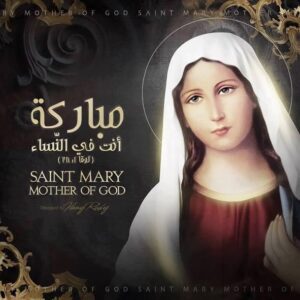
This feast is commemorated in the liturgical calendar of the Malankara Indian Orthodox Church in the honor of Blessed St Mary is the ‘Feast of St Mary for Seeds’ (i’do d-yeldas Aloho d Al Zar’o,) on January 15. It is Blessed Virgin Mary’s Feasts that we commemorate among the saints. The Holy Church gives her the status of ‘Queen of Saints’ and First of among the saints. It is of St Virgin Mary that we seek refuge intercessions in prayer the most.
‘Kathirukale yorththidavaththil-viththinu makarathil
Munthiriye prathi chingathil-perunal moonnavam
Varsham thorum- bhagyavathi smruthiyai
Ghoshi kkaname-nnezhuthappettavayaam
Kanyakathan granthangalumai- yoohanon sleeha
Vannappozheppessussil- panimazha varshichu
Haleluyya- Aval prarthana sharanam’
Syrian poets called the ‘Potters’ attribute setting these feasts of the Virgin Mary, to John, the Evangelist. Those poets are quoted saying: “With dew and drizzle the land of Ephesus was sprinkled when St. John brought to it the messages of the Virgin Mary to Ephesus commanding that the blessed Feasts of the Virgin be celebrated three times a year. Farmers recognized the role of God in protecting their livelihood, and sought God’s help through the intercession of the Blessed Virgin. All feasts of Blessed Virgin Mary, honor Mary as the Mother of God and the source of spiritual nourishment, extending that blessing to the physical seeds that provide earthly sustenance.
The Feast of the Virgin Mary of the sowing is in January. In May is the Feast of the Virgin Mary for blessing the crops, in June commemorating the establishment of the first Church in the name of Blessed Virgin St. Mary, in Caesarea Philippi and in August is her Feast of the blessing of the vineyards, which are the symbol of the mystery of life. Blessed Virgin Mary’s feast days invokes God’s protection and fruitfulness for planting and serves as an agricultural blessing. Farmers present seeds for blessing, asking for God’s favor on their planting, linking faith to the land’s productivity. It also signifies a spiritual symbolism, that Mary’s womb is seen as the fertile ground that received our Lord and Saviour Jesus Christ, the Seed of David and Fruit of Life, making her the “Living Ark” and connecting her to the Eucharistic bread and wine.
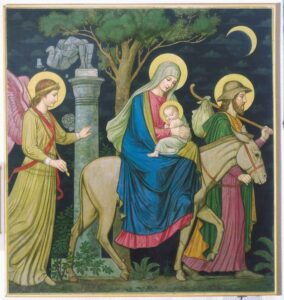
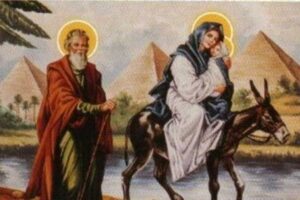
According to medieval tradition, the Holy Family of Mary, Joseph and the baby Jesus fled from King Herod barely ahead of his soldiers, they came upon a farmer sowing his field. “Please don’t tell the soldiers you saw anyone come by,” they begged. The farmer, however, was too frightened to help them. When the soldiers arrived and asked whether the farmer had seen the fugitives, the farmer told the truth; “I saw them pass by, as I was sowing this field.” The soldiers, seeing the field, turned back, as the wheat field was ready for harvest so they concluded that no one could have passed by anytime recently. These feasts encourage seeking Mary’s intercession for protection, good harvests, and growth in holiness, a rich tradition in Eastern Christianity, and speaks a lot in reference to Holy Tradition and Intercession.
There was a time when the entire efforts linked with the agriculture were submitted to the care and protection of St. Mary, Mother of God, as well as all the Saints including the Apostles. Our forefathers used to take out the seeds from the store houses which were commonly known as “Ara”, only after prayers and intercessory prayers. This also marked the beginning of the winter planting season. Our forefathers used to whisper every time “My God and My Mother” (“Ente Daivame and ente Maathave).
Let us not lose the tradition of seeking the intercession and protection of St. Mary, Mother of God in our day-to-day affairs. Let seek the continuous intercession of the Mother of God and to avail the blessings let us call her “Ente Daiva Maathave”
0 Comments